
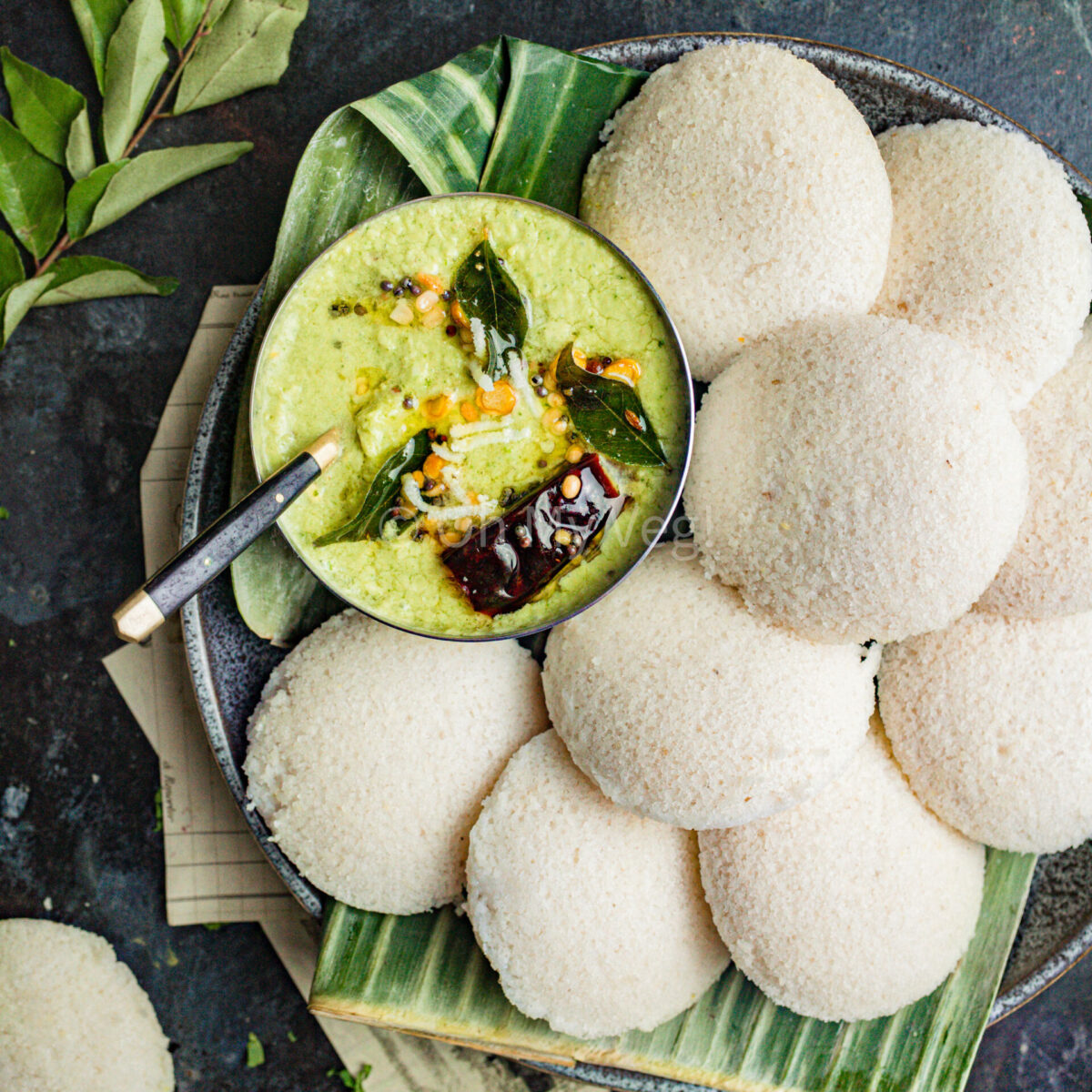
Introduction Soft, steamed, and deceptively simple, idli has captured India's attention as the #1 trending recipe of 2025 according to Google's Year in Search report . This fermented rice and urad dal creation sits at the heart of South Indian breakfast culture, yet its popularity has exploded across the entire subcontinent. What makes this humble dish so special? It's the magical transformation of two basic ingredients into cloud-like pillows that become the perfect canvas for chutneys, sambar, and podi.
Why Idli is Trending Now The resurgence of idli isn't just about taste—it's about wellness. As Google noted, "wellness trends returned for their annual January cameo" with searches for probiotic-rich foods spiking
. Idli, being naturally fermented and steamed (not fried), fits perfectly into health-conscious eating while delivering unmatched comfort. The trend also reflects a deeper cultural shift: home cooks are returning to time-honored fermentation techniques that our grandmothers perfected.
The Science Behind the Softness The secret to idli's texture lies in proper fermentation. When rice and urad dal batter meets the right temperature (75-85°F) and time (8-12 hours), natural bacteria create those characteristic air pockets. Here's what you need to know:
-
Rice-to-dal ratio: 3:1 for traditional idlis, 4:1 for extra softness
-
Poha or cooked rice: Adding 2 tablespoons of soaked poha or leftover rice creates that restaurant-style tenderness
-
Grinding technique: Urad dal needs fluffy, airy grinding; rice should be slightly coarse for texture
Step-by-Step Idli Recipe
Ingredients:
-
1 cup urad dal (whole, skinless)
-
3 cups idli rice or parboiled rice
-
2 tablespoons thick poha (flattened rice), soaked
-
1 teaspoon fenugreek seeds (optional, for color and flavor)
-
Salt to taste
-
Water as needed
Method:
-
Soak urad dal and fenugreek seeds for 4-6 hours. Soak rice and poha separately for same duration.
-
Grind urad dal to fluffy, cloud-like consistency using minimal water. The batter should fall in ribbons.
-
Grind rice and poha to slightly coarse paste (like fine semolina).
-
Mix both batters with salt. Ferment in warm place for 8-12 hours until doubled and bubbly.
-
Steam in greased idli molds for 10-12 minutes. Let rest 2 minutes before unmolding.
Troubleshooting Common Idli Problems
| Problem | Cause | Solution |
|---|---|---|
| Hard, dense idlis | Over-grinding rice or under-fermentation | Grind rice coarser; extend fermentation time |
| Flat idlis | Too much water in batter | Reduce water when grinding dal |
| Sticky idlis | Wrong rice variety | Use parboiled/idli rice only |
| No fermentation | Cold weather | Place in oven with light on, or use Instant Pot yogurt setting |
Serving Suggestions: The Complete Experience Idli's beauty is its neutrality—it becomes what you pair it with:
-
Milagai Podi: The classic "gunpowder" chutney mixed with sesame oil
-
Coconut Chutney: Fresh, cooling contrast to warm idlis
-
Sambar: The traditional lentil companion, simmered overnight for depth
-
Modern twists: Try idli tacos with gunpowder seasoning or idli croutons in salads
Conclusion As Google's data shows, idli represents more than breakfast—it's a return to intentional, slow cooking in our fast-paced world . Whether you're a fermentation novice or a seasoned pro, mastering idli connects you to a culinary tradition that's suddenly, wonderfully, having its moment in 2025.